When your vehicle’s check engine light illuminates, it’s usually because of diagnostic trouble codes (DTCs). These codes are generated by your vehicle’s on-board diagnostics system (OBD-II) when it detects an issue. But what exactly are these codes, and how do they help technicians diagnose and fix problems with your vehicle? Let’s delve into the world of diagnostic trouble codes and discover how they contribute to maintaining your vehicle’s health.
What are Diagnostic Trouble Codes?
Diagnostic trouble codes are alphanumeric codes that your vehicle’s computer system generates when it detects a problem. The OBD-II system, which has been standard in all vehicles since 1996, can identify and report over 10,000 different issues ranging from minor faults like a loose fuel cap to major problems like engine misfires.
Related resource: diagnostic trouble codes
Understanding the Structure of Diagnostic Trouble Codes
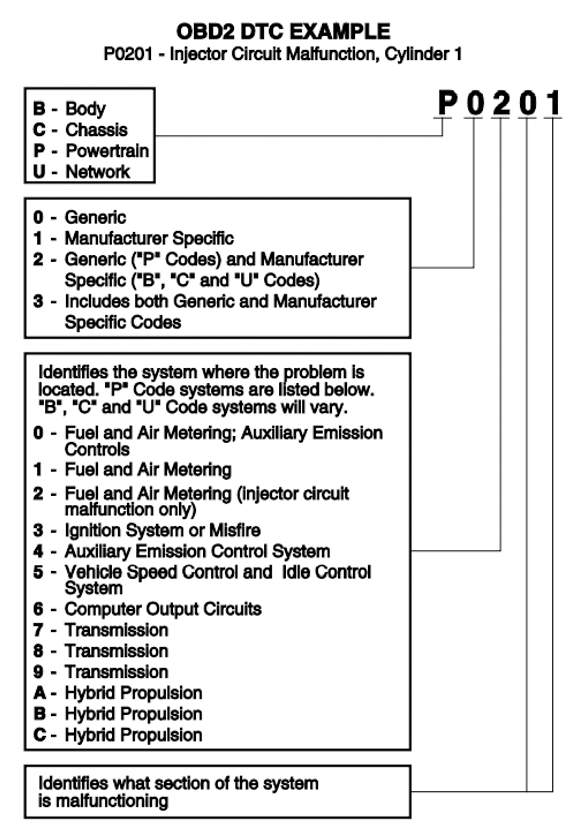
Each diagnostic trouble code consists of five characters. The first character is a letter that indicates the vehicle system involved, such as the engine (P), body (B), chassis (C), or transmission (U). The second digit signifies whether the code is generic (0) or manufacturer-specific (1). The third digit identifies the subsystem related to the code, and the last two digits specify the exact problem.

How Diagnostic Trouble Codes Help Technicians
Related resource: diagnostic trouble codes what is
Diagnostic trouble codes play a vital role in vehicle maintenance and repair. When a vehicle has a problem, the OBD-II system generates a DTC, which can be read using a scan tool. This code provides technicians with a starting point for diagnosing the issue. By understanding the code, a technician can identify the system or subsystem involved, speeding up the diagnostic process and ensuring more accurate repairs.
Reading Diagnostic Trouble Codes at Home
You don’t need to be a professional mechanic to read diagnostic trouble codes. With an OBD-II scanner, which is relatively affordable and easy to use, you can read these codes at home. Once you’ve connected the scanner to your vehicle’s OBD-II port, the device will display any DTCs stored in the system. You can then refer to a code index or use an online resource to interpret the meaning of the codes.
Clearing Diagnostic Trouble Codes
Once the issue causing the diagnostic trouble code has been resolved, the code can be cleared from the system using an OBD-II scanner. However, it’s important to remember that simply erasing the code doesn’t fix the problem. If the underlying issue isn’t resolved, the code will reappear.
Conclusion: The Importance of Diagnostic Trouble Codes
Understanding diagnostic trouble codes is crucial for vehicle owners and technicians alike. These codes provide valuable insights into the health of your vehicle, allowing for efficient and accurate diagnostics. With a basic understanding of DTCs and an OBD-II scanner, you can take proactive steps towards vehicle maintenance, potentially catching issues before they become serious problems. Remember, while clearing a DTC might turn off your check engine light temporarily, only resolving the underlying issue will ensure it stays off.
Frequently Asked Questions
What are diagnostic trouble codes?
Diagnostic trouble codes (DTCs) are alphanumeric codes that your vehicle’s onboard computer system generates when it detects a problem. They can indicate anything from a minor issue like a malfunctioning sensor to a major problem like engine failure. These codes help mechanics and technicians identify and fix problems with the vehicle.
How do I retrieve diagnostic trouble codes from my vehicle?
To retrieve diagnostic trouble codes from your vehicle, you’ll need an On-Board Diagnostics (OBD) scanner. Once connected, the scanner can read the code(s) generated by your vehicle’s computer. The scanner will display the code, and you can then refer to a diagnostic trouble code list to understand what the code means.
What does a “P” in a diagnostic trouble code signify?
In a diagnostic trouble code, a “P” stands for “Powertrain.” This means that the problem is related to the engine or the transmission, which includes components like the ignition system, fuel injection system, etc. It’s the most common code seen in most vehicles. Other letters include B (Body), C (Chassis), and U (Network).
Are diagnostic trouble codes specific to each car brand?
There are generic diagnostic trouble codes that apply to all car brands. However, there are also manufacturer-specific codes that apply only to certain brands or models. These specific codes provide more detailed information about problems that may occur in unique systems or parts used by the manufacturer.
Can I fix the issue if I know the diagnostic trouble code?
A diagnostic trouble code can point you in the direction of the problem, but it doesn’t necessarily tell you how to fix it. The code simply provides a starting point for further diagnosis. Some issues might be simple enough for home mechanics to fix, but others may require professional help. Always consult with a professional if you’re unsure.