Decoding the World of Fault Codes
When it comes to maintaining and troubleshooting equipment, understanding fault codes is crucial. These codes are diagnostic tools that help identify issues within a system, allowing for efficient and accurate repairs. From vehicles to home appliances, fault codes serve as the language of machines, communicating potential problems and malfunctions.
Understanding the Importance of Fault Codes
Related resource: fault codes
Fault codes, also known as error codes or diagnostic trouble codes (DTCs), are specific numbers assigned to various issues that may arise in a system. They are typically generated by a machine’s onboard diagnostic (OBD) system when it detects anomalies or malfunctions. Understanding fault codes is fundamental in troubleshooting and maintaining any machinery or electronic device. This knowledge can save time, money, and possibly prevent severe damage to the system.
Types of Fault Codes
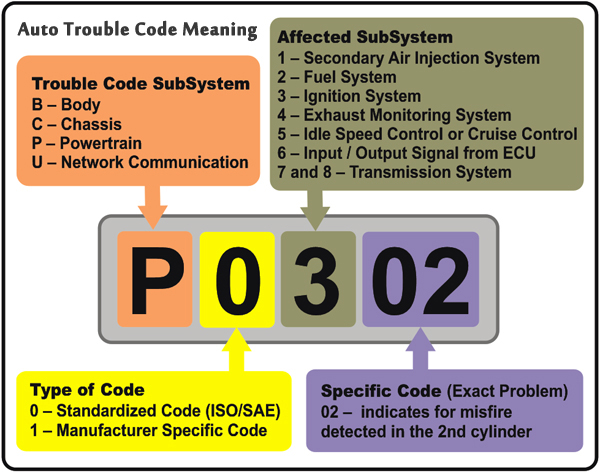
There are several types of fault codes, each serving a specific purpose. Generic fault codes, often referred to as P0 codes, are standardized across all manufacturers and models. They depict common issues that can occur in any system. On the other hand, manufacturer-specific fault codes, also known as P1 codes, are unique to individual manufacturers or models. These codes identify problems that are specific to a particular type of system or machinery.

Related resource: fault codes what is
Deciphering Fault Codes
Although fault codes may appear as a random combination of letters and numbers, they are actually composed of meaningful information about the detected issue. The first character usually indicates the system where the problem is detected, such as the engine, transmission, or airbag system. The following characters provide more specific details about the issue, such as the affected component or the nature of the problem.
Common Fault Codes and Their Meanings
Some fault codes are more common than others. For instance, P0300 is a generic fault code indicating a random or multiple misfire detected in the engine. P0171 and P0174 indicate that the system is too lean, meaning there’s too much air and not enough fuel in the combustion mixture. Understanding these common fault codes can be extremely helpful in diagnosing and fixing problems.
How to Manage Fault Codes
When a fault code is triggered, the first step is to read and understand the code using an OBD scanner or a similar diagnostic tool. It’s important to address the issue promptly to prevent further damage to the system. After the issue is resolved, the fault code should be cleared from the system. If the same code reappears, it’s an indication that the problem hasn’t been fully resolved or another issue has emerged.
Conclusion: Embracing the Language of Fault Codes
Understanding fault codes is like learning a new language. It’s a skill that requires patience and practice, but it’s immensely beneficial in maintaining and troubleshooting machinery and electronic systems. By embracing the language of fault codes, you can enhance your ability to diagnose and resolve issues, ultimately extending the life of your equipment and saving on potential repair costs. So, the next time you encounter a fault code, consider it an opportunity to learn and grow in your understanding of machinery health and efficiency.
Frequently Asked Questions
What are fault codes?
Fault codes, also known as diagnostic trouble codes (DTCs), are specific codes generated by a vehicle’s onboard diagnostics system when it detects a problem or malfunction. These codes provide a starting point for mechanics in identifying and correcting issues. They relate to various systems within a vehicle including the engine, transmission, exhaust, fuel injection, and more.
How to read fault codes?
To read fault codes, a diagnostic scan tool is required. This tool is connected to the vehicle’s onboard diagnostic system. Once connected, the tool can read and display the fault codes. Each code corresponds to a specific problem, which can be looked up in a fault code directory or manual for more detailed information.
How can I clear fault codes?
Fault codes can usually be cleared by using a diagnostic scan tool. This tool can not only read but also erase fault codes. However, it’s important to note that erasing a fault code doesn’t fix the problem. The code will return if the issue isn’t resolved. Therefore, it’s recommended to diagnose and fix the problem causing the fault code first.
Are all fault codes the same?
No, all fault codes are not the same. There are thousands of fault codes, and each one corresponds to a specific issue in a vehicle. Codes can be generic, which are standardized across all vehicle makes and models, or manufacturer-specific, which are unique to certain vehicle brands.
Can a vehicle run with fault codes?
Yes, a vehicle can often still run even if there are fault codes. However, this doesn’t mean it should. Ignoring fault codes can lead to more serious problems over time, such as damage to the vehicle’s engine or other critical systems. Therefore, it’s always best to address fault codes as soon as they appear.