
If you’re experiencing a decline in your vehicle’s performance, you may be facing a P0299 code, which signifies a Turbo Underboost condition. Understanding the nuances of this issue is crucial for every car owner and enthusiast. In this comprehensive guide, we will delve into the common causes that lead to turbo underboost failures, allowing you to pinpoint the problem efficiently. Furthermore, we will provide practical solutions and troubleshooting tips to help you restore your vehicle’s optimal performance, ensuring that you can tackle this challenge with confidence. Whether you’re a seasoned mechanic or a novice car owner, our step-by-step approach will equip you with the knowledge needed to address this frequent automotive concern.
Understanding P0299 Turbo Underboost Condition
The P0299 code indicates a Turbo Underboost condition, which occurs when the engine’s turbocharger is not producing sufficient boost pressure. This can lead to reduced engine performance, increased emissions, and potential long-term damage if not addressed.
Key Characteristics of P0299:
- Symptoms:
- Decreased acceleration
- Engine stalling or misfiring
- Check Engine Light activation
- Diagnostic Process:
- Use an OBD-II scanner to read the error code.
- Inspect the turbocharger for physical damage.
- Common Drivers:
- Leaking vacuum lines
- Faulty boost pressure sensors
- Blocked intercooler or intake pathways
| Key Points | Description |
|---|---|
| Code | P0299 |
| Meaning | Insufficient turbocharger boost pressure |
| Potential Causes | Vacuum leaks, faulty sensors, obstruction |
| Impact | Reduced performance, increased emissions |
Understanding the P0299 Turbo Underboost condition is crucial for vehicle maintenance. By detecting and correcting the issues early on, you can ensure optimal engine performance and longevity.
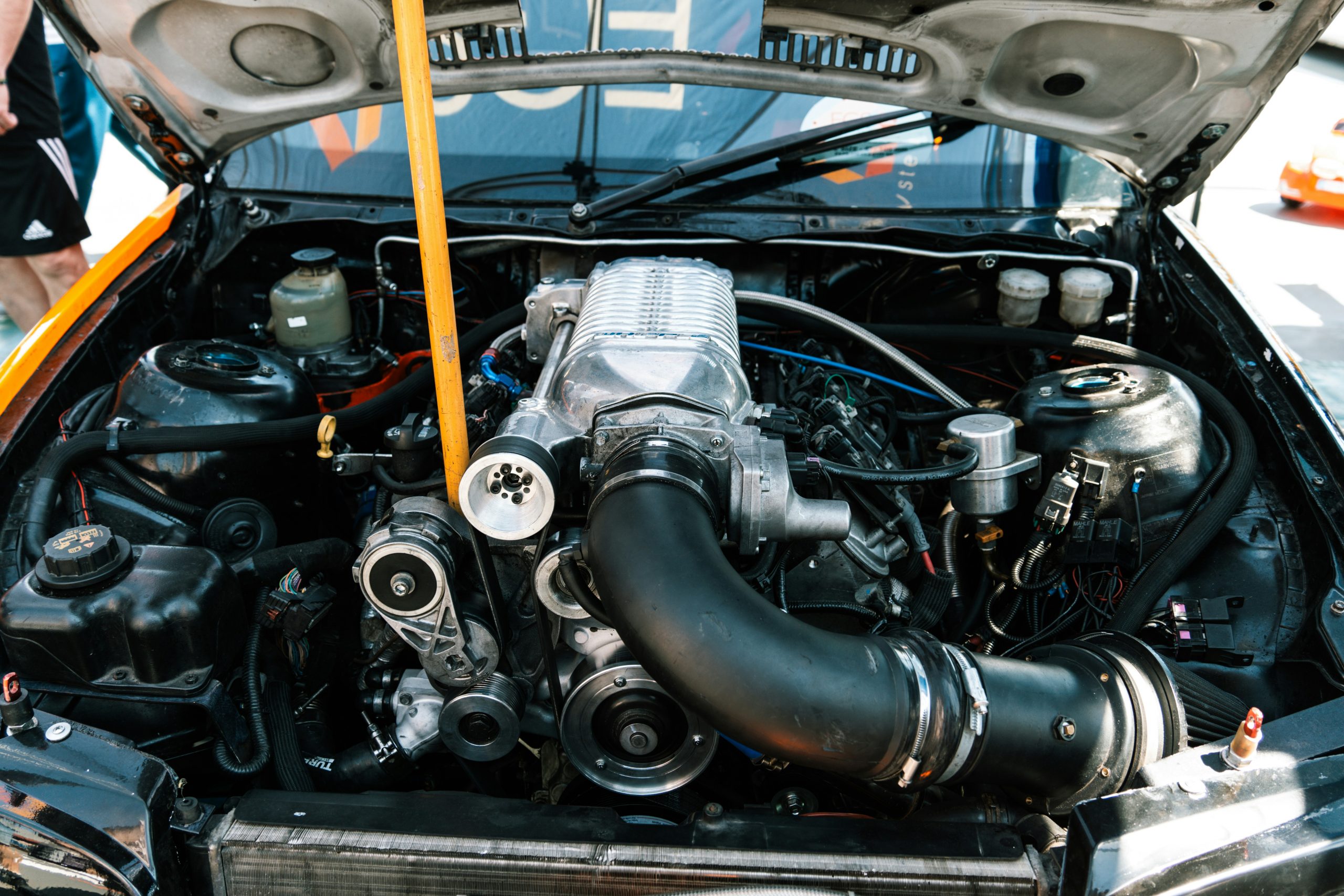
Common Causes of Turbo Underboost Failures
Turbo underboost issues often stem from several common factors that hinder optimal performance. Understanding these causes is crucial for effective troubleshooting. Below are the key points that typically contribute to Turbo Underboost conditions:
| Cause | Description |
|---|---|
| Boost Leaks | Leaks in the intake or intercooler pipes can cause significant power loss. |
| Faulty Wastegate | A malfunctioning wastegate may not regulate boost pressure effectively. |
| Turbocharger Issues | Worn or damaged turbo components can prevent proper boost generation. |
| Sensor Failures | Problems with pressure sensors can lead to inaccurate readings, causing errors. |
| Exhaust Restrictions | Blockages or damage in the exhaust system can slow turbo spooling. |
By addressing these common issues, you can help ensure that your turbo system operates as intended, minimizing the chances of encountering a Turbo Underboost condition. Regular maintenance and vigilance can go a long way in preventing these failures.
Effective Solutions and Troubleshooting Tips
When dealing with a Turbo Underboost condition, addressing the issue promptly can save you from costly repairs down the road. Here, we present a concise guide to effective solutions and troubleshooting tips.
- Check for Boost Leaks: Inspect all hoses and connections leading to the turbocharger. A simple visual inspection can reveal cracks or loose fittings. Use a smoke test if necessary to locate hidden leaks.
- Examine the Wastegate: Ensure the wastegate actuators are functioning properly. If stuck or malfunctioning, they can restrict exhaust flow to the turbo. Replace any faulty components to restore performance.
- Inspect the Intercooler: A damaged or clogged intercooler can impede air intake, leading to underboost. Evaluate the intercooler’s condition and clean or replace it as needed.
- Scan for Error Codes: Utilize an OBD-II scanner to read any related trouble codes. This can help you identify specific issues linked to the Turbo Underboost condition.
- Evaluate the Turbocharger: In some cases, the turbo itself may be failing. Check for signs of oil leakage, unusual noises, or shaft play. If the turbo is damaged, a replacement may be necessary.
By systematically addressing these areas, you can effectively troubleshoot and resolve the Turbo Underboost condition, restoring your vehicle’s performance.