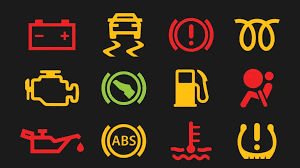
Engine light on car issues are among the most common concerns for drivers, often causing confusion and stress. When this warning indicator illuminates, it signals that the vehicle’s onboard diagnostics system has detected a fault that needs attention. While some causes are minor, others may indicate serious engine or emissions problems requiring immediate repair. Understanding why this light appears, how to diagnose it, and what steps to take can help drivers prevent costly repairs and maintain optimal vehicle safety.
What Does the Engine Light on Car Actually Mean?
When the engine light on car dashboard appears, the vehicle’s computer (ECU) is alerting you to an abnormal condition within the engine or emissions system. This light may be steady or flashing, each indicating a different level of severity. A steady light usually points to a non-urgent issue, while a flashing one means misfires or severe problems that can damage the catalytic converter. Regardless of severity, ignoring this light can lead to costly repairs or reduced engine performance.
Common Reasons the Engine Light on Car Turns On
The engine light on car can illuminate for many reasons, such as a loose fuel cap, faulty oxygen sensor, failing catalytic converter, misfiring spark plugs, or damaged mass airflow sensor. Modern vehicles rely heavily on electronic sensors, so even minor irregularities can trigger the warning. In many cases, emissions-related issues cause the light to appear, which affects fuel efficiency and environmental compliance. Proper diagnosis helps determine whether the problem is minor or critical.
How to Diagnose an Engine Light on Car Problem
When the engine light on car turns on, using an OBD-II scanner is the quickest way to identify trouble codes. These codes reveal the exact system or component involved, simplifying the troubleshooting process. Many auto parts stores offer free scanning services, while advanced scanners provide real-time data for deeper analysis. Without proper diagnosis, drivers risk misidentifying the issue, leading to unnecessary repairs or continued system failures.
ıs It Safe to Drive With the Engine Light On?
A steady engine light on car is generally safe for short-term driving, provided the vehicle shows no other warning signs like rough idling or loss of power. However, a flashing engine light indicates severe engine misfires that can damage internal components and clog the catalytic converter. In such cases, it is unsafe to continue driving and the engine should be checked immediately. Ignoring these warnings can lead to extensive and costly repairs.
How to Fix an Engine Light on Car
Fixing the engine light on car depends entirely on the underlying cause. Simple issues like tightening the gas cap or replacing worn spark plugs are easy and inexpensive. More complex problems—such as oxygen sensor failure or catalytic converter damage—require professional service. Regular maintenance, timely oil changes, clean air filters, and quality fuel usage all help prevent the light from reappearing. Correct repairs ensure reliability and restore the vehicle’s performance.
Preventing an Engine Light on Car Warning
To prevent the engine light on car from coming on, follow a consistent maintenance schedule and address minor issues early. Keeping sensors clean, ensuring proper airflow, and maintaining stable fuel delivery all reduce the chance of triggering diagnostic warnings. Additionally, avoiding rough driving, using approved engine fluids, and monitoring performance changes help keep the engine system functioning correctly. Prevention saves money and extends the vehicle’s lifespan.
When to Seek Professional Help for an Engine Light on Car
If the engine light on car persists after basic troubleshooting, or if the vehicle exhibits unusual behavior such as stalling or poor acceleration, professional inspection is essential. Certified mechanics can perform advanced diagnostics, interpret trouble codes accurately, and address hidden problems that simple scans may not reveal. Early intervention prevents damage and ensures the vehicle remains safe, efficient, and compliant with emissions standards.