Understanding How Electric Bicycles Work
Common Electric Bicycle Problems and Faults
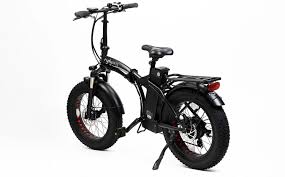
Electric bicycles combine traditional cycling mechanics with electrical components, which makes them efficient but also more complex than standard bikes. An e-bike typically consists of a motor, battery, controller, sensors, wiring, and a display unit. These parts work together to provide pedal assistance or full electric propulsion. Because multiple systems interact simultaneously, a fault in one component can affect the overall performance of the bike. Many electric bicycle problems arise not from a single failure, but from miscommunication between components. For example, a faulty sensor may send incorrect data to the controller, causing the motor to behave unpredictably. Environmental factors such as moisture, dust, vibration, and temperature changes also play a significant role in long-term reliability. Riders often assume that electric bicycles are maintenance-free, but this assumption leads to neglect. Understanding the basic operating logic of an e-bike helps users recognize early warning signs of faults. Strange noises, inconsistent power delivery, error codes, or sudden shutdowns are usually indicators that something is wrong. Recognizing these signs early can prevent more serious damage and costly repairs. Electric bicycles are reliable machines when properly maintained, but their complexity requires awareness and basic technical understanding from the rider.
Battery-Related Problems in Electric Bicycles
Battery issues are among the most common electric bicycle faults. Since the battery is the primary power source, any problem directly affects performance and range. One frequent issue is reduced battery capacity over time. Lithium-ion batteries naturally degrade with use, meaning they hold less charge after hundreds of cycles. Improper charging habits, such as overcharging or allowing the battery to fully discharge repeatedly, can accelerate this degradation. Temperature extremes also have a negative impact on battery health. Cold conditions reduce available power, while excessive heat can permanently damage internal cells. Another common problem is sudden power loss caused by loose battery connections or damaged terminals. Vibration during riding can slowly loosen connectors, leading to intermittent power delivery. In some cases, the battery management system may shut down the battery as a protective measure if it detects abnormal voltage or temperature levels. Users may mistake this for a complete battery failure. Regular inspection, proper charging routines, and storing the battery in a controlled environment significantly reduce battery-related faults. Ignoring early signs such as rapid charge depletion or inconsistent power output often leads to complete battery replacement, which is one of the most expensive repairs for electric bicycles.
Motor and Drive System Failures
The motor is the heart of an electric bicycle, and problems in this component can severely limit usability. Hub motors and mid-drive motors each have their own common faults. Hub motors may suffer from internal bearing wear, water ingress, or damaged wiring near the axle. These issues often manifest as grinding noises, vibration, or reduced power output. Mid-drive motors, while more efficient, are exposed to higher mechanical stress because they work through the bike’s drivetrain. Chain, cassette, and gear wear can indirectly affect motor performance. Overheating is another common motor-related problem, especially when riding uphill for extended periods or carrying heavy loads. Most modern motors have thermal protection, which temporarily reduces power to prevent damage. Riders unfamiliar with this behavior may assume the motor is failing. Electrical faults such as damaged phase wires or sensor errors can also cause the motor to stop working entirely. Regular cleaning, avoiding deep water exposure, and respecting the motor’s load limits are essential for long-term reliability. Motor failures are often preventable with proper usage habits.
Controller and Sensor Malfunctions
The controller acts as the brain of an electric bicycle, processing signals from sensors and determining how much power the motor delivers. When the controller fails or malfunctions, the bike may behave erratically or not function at all. Common symptoms include delayed motor response, unexpected power surges, or complete loss of assistance. Sensors such as cadence sensors, torque sensors, and speed sensors are critical for smooth operation. If a sensor provides incorrect data, the controller cannot regulate power correctly. Dirt, moisture, or misalignment can easily affect sensor accuracy. For example, a misaligned speed sensor may prevent the motor from engaging because the system believes the bike is stationary. Controller issues may also be caused by voltage irregularities from the battery or damaged wiring. Diagnosing controller faults can be challenging because symptoms often resemble motor or battery problems. In many cases, error codes displayed on the control panel provide valuable clues. Understanding these codes and their meanings helps pinpoint the actual source of the fault more accurately.
Wiring and Electrical Connection Issues
Electrical wiring problems are often overlooked but are a major cause of electric bicycle failures. E-bikes rely on multiple cables connecting the battery, controller, motor, sensors, and display. These cables are exposed to vibration, bending, and environmental conditions. Over time, insulation can wear out, connectors can loosen, and corrosion can develop. A single damaged wire can disrupt communication between components, leading to unpredictable behavior. Common signs of wiring issues include intermittent power loss, flickering displays, or error messages that appear and disappear. Water ingress is particularly dangerous, as it can cause short circuits and long-term corrosion inside connectors. Many wiring problems occur near moving parts such as the handlebars or rear axle, where cables experience constant motion. Regular visual inspections and ensuring connectors are firmly seated can prevent many electrical faults. Ignoring minor wiring issues often results in more severe failures that require extensive repairs.
Display and Control Panel Problems
The display unit provides critical information such as speed, battery level, and assistance mode. When the display malfunctions, riders may lose control over key functions. Common display issues include unresponsive buttons, inaccurate battery readings, or screens that fail to turn on. These problems may be caused by internal faults, software glitches, or wiring issues. Exposure to rain and sunlight can also degrade display components over time. In some cases, the display may appear faulty when the real issue lies elsewhere, such as a loose connection or controller malfunction. Firmware incompatibility between the display and controller can also cause errors, especially after upgrades or component replacements. While display problems do not always stop the bike from operating, they significantly reduce usability and safety. Proper sealing, careful handling, and using compatible components help maintain display reliability.
Preventing and Diagnosing Electric Bicycle Faults
Preventive maintenance is the most effective way to avoid electric bicycle problems. Regular cleaning, proper charging habits, and periodic inspections greatly extend component lifespan. Riders should pay attention to unusual sounds, warning messages, and changes in performance. Diagnosing faults requires a systematic approach, starting with simple checks such as battery charge, connections, and error codes. Keeping the e-bike dry and storing it in suitable conditions prevents many electrical issues. When problems persist, professional diagnostics may be necessary, as incorrect repairs can cause further damage. Electric bicycles are durable machines, but they require informed usage and care. Understanding common faults empowers riders to act early, reduce repair costs, and enjoy a safer, more reliable riding experience.