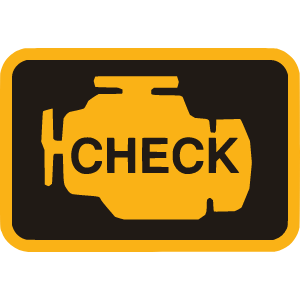
Check Engine Light meaning refers to the warning light on a vehicle’s dashboard that signals a potential issue with the engine or emission system. Vehicle owners often see this light and wonder about its significance. The light is triggered by the car’s Engine Control Unit (ECU) whenever it detects a malfunction in any monitored system. It serves as a preventative alert, allowing drivers to address potential problems before they escalate. Check Engine Light meaning does not always indicate a severe problem; minor issues like a loose gas cap or a faulty sensor can activate it. Understanding this warning is essential for maintaining vehicle safety, performance, and longevity. Modern vehicles rely on this system to communicate important diagnostic information to both drivers and technicians. Addressing the warning promptly can save costly repairs and prevent long-term damage.
What Triggers the Check Engine Light
The Check Engine Light meaning can be caused by a wide range of issues. Common triggers include faulty oxygen sensors, problems with the air-fuel mixture, malfunctioning spark plugs or ignition coils, and issues within the emissions control system. Even minor conditions, such as a loose or missing gas cap, can illuminate the light. Understanding what triggers the Check Engine Light meaning is crucial for appropriate response. Vehicle owners are advised to consult an OBD-II diagnostic tool to read the error codes. Proper maintenance and timely inspections can prevent repeated illumination and ensure the vehicle operates safely and efficiently.
Common Symptoms Associated With the Light
Recognizing the symptoms linked to Check Engine Light meaning helps drivers take timely action. A lit check engine light may coincide with engine misfires, reduced fuel efficiency, unusual exhaust smoke, or poor acceleration. Ignoring the light can lead to further engine damage or increased emissions. Some drivers mistake this warning for minor dashboard alerts, but understanding Check Engine Light meaning emphasizes that even subtle performance changes can indicate underlying issues. Paying attention to vehicle behavior alongside the warning light ensures drivers can prevent more significant, costly repairs.
Using OBD-II Scanners for Diagnosis
One of the primary methods to understand Check Engine Light meaning is using an OBD-II (On-Board Diagnostics) scanner. This device reads error codes stored in the ECU, pinpointing the exact system causing the alert. Some scanners provide detailed explanations, while advanced tools offer real-time data for fuel trims, sensor readings, and ignition timing. Utilizing these devices allows mechanics and vehicle owners to quickly interpret Check Engine Light meaning and decide on the next steps. Proper use of diagnostic tools reduces unnecessary repairs and ensures targeted interventions, keeping vehicles running efficiently.
Minor vs. Major Issues
The Check Engine Light meaning can range from minor to critical concerns. Minor issues include loose gas caps, clogged air filters, or temporary sensor malfunctions. Major problems might involve catalytic converter failure, engine misfires, or serious electrical issues. Differentiating between these scenarios is vital. A quick glance may not reveal the severity, but diagnostics and attentive observation of vehicle performance provide clarity. Understanding the spectrum of Check Engine Light meaning helps drivers avoid panic while taking timely preventive measures to maintain safety and reliability.
Steps to Take When the Light Turns On
Knowing what to do when Check Engine Light meaning appears can save both time and money. First, check for obvious issues like a loose gas cap. Next, scan the vehicle using an OBD-II tool to identify the trouble code. If the code indicates a minor repair, such as a sensor replacement, the driver can address it promptly. For more serious codes, consulting a certified mechanic is recommended. Documenting the light’s occurrence and vehicle behavior ensures accurate evaluation. Understanding Check Engine Light meaning empowers drivers to respond responsibly and avoid further damage to the vehicle.
Preventive Maintenance Tips
Proper maintenance significantly reduces instances of Check Engine Light meaning. Regular oil changes, scheduled engine inspections, timely replacement of spark plugs, and fuel system cleaning can prevent many common causes. Checking the gas cap regularly, ensuring sensors and electrical connections are secure, and monitoring fuel quality are additional preventive measures. Understanding Check Engine Light meaning emphasizes that proactive care is the key to avoiding sudden alerts and ensuring optimal vehicle performance. Preventive steps not only maintain safety but also extend engine longevity and improve fuel efficiency.
Long-Term Implications
Ignoring the Check Engine Light meaning can lead to severe long-term consequences. Continued driving with unresolved engine or emission problems may damage the catalytic converter, reduce fuel efficiency, and increase harmful emissions. It may also compromise engine performance and result in costly repairs. Recognizing the Check Engine Light meaning, performing timely diagnostics, and adhering to maintenance schedules ensure vehicle reliability. Educated drivers understand that this light is not merely a warning but a preventive signal, protecting the engine’s health and extending the lifespan of the vehicle.